
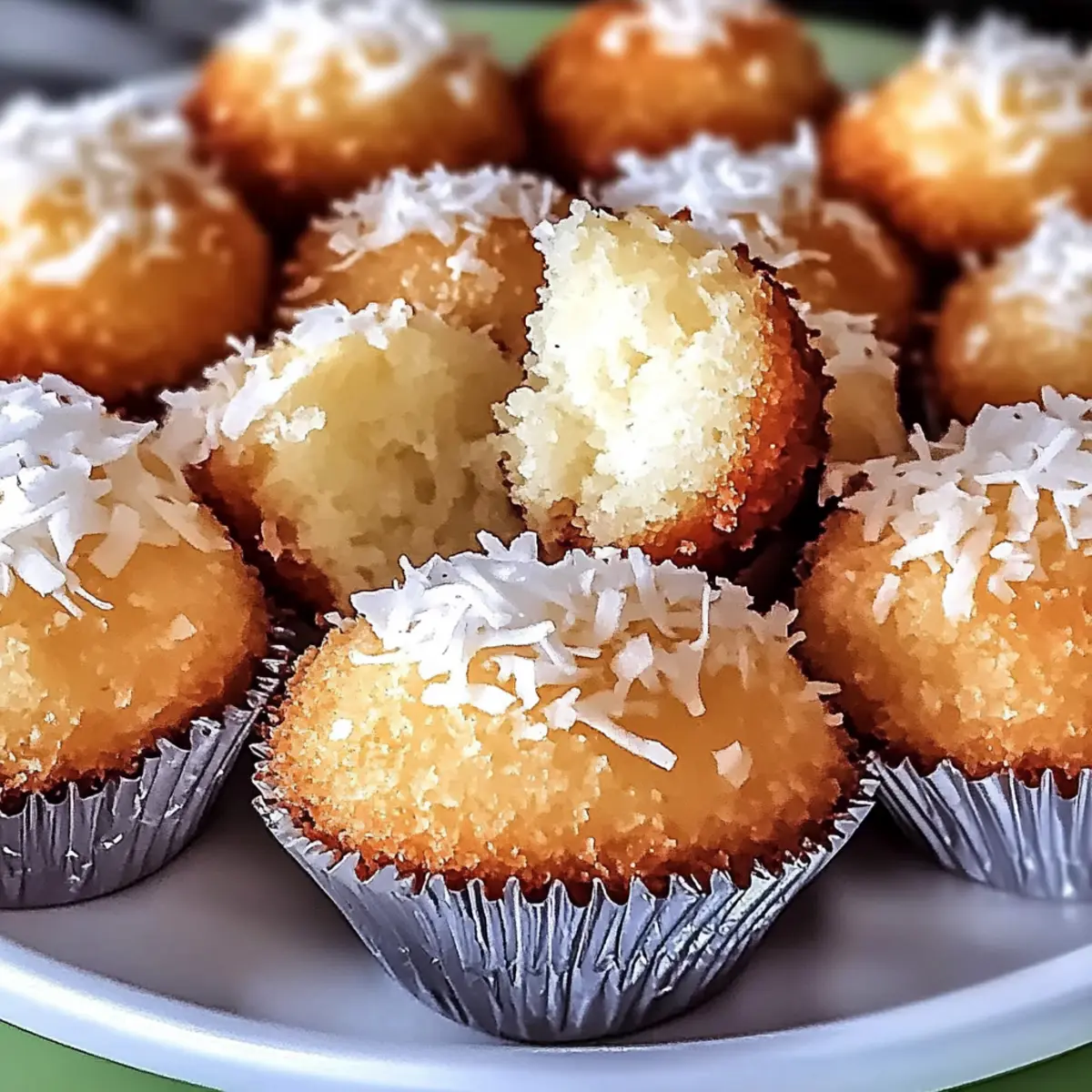
As I stood in my kitchen, the scent of coconut wafting through the air, I couldn’t help but smile at the memories these Portuguese Coconut Cakes evoke. Each bite of these light and fluffy treats transports me to sun-soaked beaches, making them a perfect remedy for those who crave a taste of paradise without the hassle. What I love most about this recipe is its incredible versatility—whether you’re hosting a gathering or simply indulging in a cozy afternoon treat, they fit right in. Plus, with gluten-free and dairy-free options available, it’s easier than ever to share these delights with friends and family who may have dietary restrictions. Curious to see how simple it is to bring this tropical delight to your table? Let’s dive into the recipe!

Why You’ll Adore Portuguese Coconut Cakes
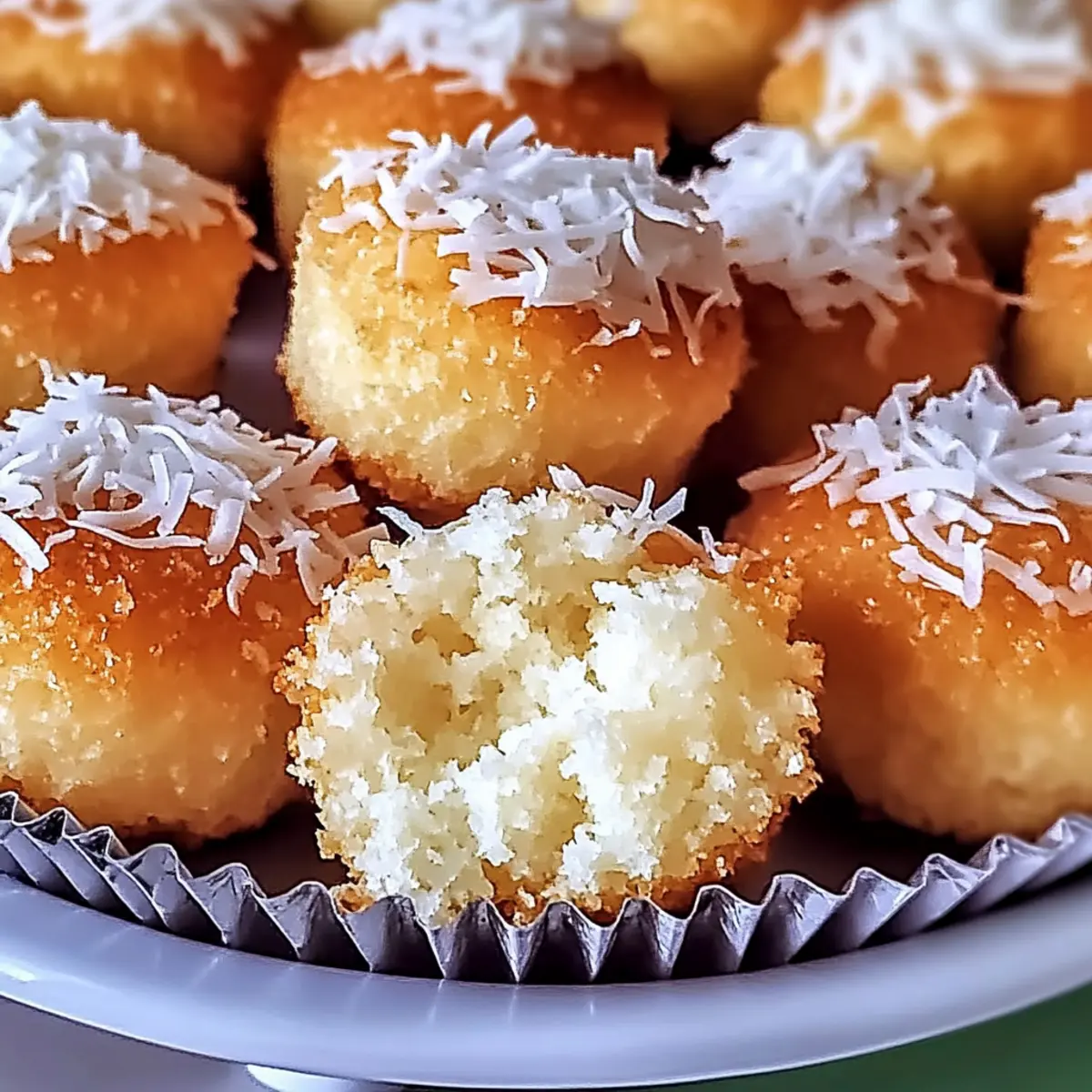
Light and Fluffy: These cakes are divinely airy, offering a melt-in-your-mouth experience that’s pure bliss.
Tropical Flavor Burst: The rich coconut notes transport your taste buds straight to a sunny paradise.
Versatile Variations: With options for gluten-free, dairy-free, or vegan substitutions, everyone can enjoy these treats!
Quick and Easy Preparation: Whip them up in no time, making it perfect for spontaneous gatherings or a cozy afternoon indulgence.
Perfect Pairing: Serve them warm with coffee or at brunch for an instant crowd pleaser; these cakes elevate any occasion.
Make-Ahead Friendly: Prepare the batter a day in advance and bake when needed, ensuring they’re fresh and delightful.
Portuguese Coconut Cakes Ingredients
For the Batter
• Coconut Milk – Adds creaminess and tropical flavor; substitute with almond or oat milk for a dairy-free option.
• Shredded Coconut – Provides texture and sweetness; use unsweetened for a less sweet cake.
• Eggs – Acts as a binding agent; flax eggs can be used for a vegan substitute.
• Sugar – Sweetens the cake; brown sugar can add a hint of caramel flavor.
• Flour – Main structure of the cake; use a gluten-free flour blend for gluten sensitivities.
• Baking Powder – Leavening agent for fluffiness; ensure it is fresh for best results.
Step‑by‑Step Instructions for Portuguese Coconut Cakes
Step 1: Preheat the Oven
Begin by preheating your oven to 350°F (175°C). While the oven is warming up, prepare a muffin tin by lining it with paper liners or greasing it lightly with cooking spray. This ensures that your Portuguese Coconut Cakes will easily release once baked and prevents sticking.
Step 2: Mix Wet Ingredients
In a large mixing bowl, combine 1 cup of coconut milk, 1 cup of shredded coconut, 2 eggs, and 1 cup of sugar. Using a whisk, mix these ingredients together vigorously for about 1-2 minutes, until they are well blended and slightly frothy. This mixture will provide a rich flavor and creamy texture in your cakes.
Step 3: Combine Dry Ingredients
In a separate bowl, sift together 1 and 1/2 cups of flour and 2 teaspoons of baking powder. Whisk the dry ingredients until no lumps remain, ensuring a smooth, even mixture. This step is crucial for incorporating air into the batter, which will contribute to the light, fluffy texture of your Portuguese Coconut Cakes.
Step 4: Integrate Mixtures
Gradually fold the dry mixture into the wet ingredients, using a spatula to gently combine them. Be careful not to overmix; it’s perfectly fine to have small lumps in the batter. The goal here is to keep as much air in the mixture as possible for the best rise when baking.
Step 5: Fill Muffin Cups
Spoon the batter into the prepared muffin cups, filling each one about 2/3 full. This allows room for the cakes to rise while baking. Make sure to distribute the batter evenly for uniform baking, ensuring that each Portuguese Coconut Cake bakes to golden perfection.
Step 6: Bake the Cakes
Place the muffin tin in the preheated oven and bake for approximately 25 minutes. Keep an eye on the cakes; they’re ready when the tops turn golden brown and a toothpick inserted in the center comes out clean. This will yield delightful, puffy treats that are sure to impress.
Step 7: Cool and Serve
Once baked, remove the muffin tin from the oven and let the cakes cool in the pan for about 5-10 minutes. Carefully transfer them to a wire rack to cool completely, or serve them warm for a comforting treat. These Portuguese Coconut Cakes are perfect for any occasion!
How to Store and Freeze Portuguese Coconut Cakes
Room Temperature: Store baked cakes in an airtight container at room temperature for up to 3 days to maintain freshness and texture.
Fridge: If you want them to last longer, keep them in the fridge for up to a week. Make sure to seal them properly to prevent them from drying out.
Freezer: For longer storage, freeze the cakes in an airtight container or freezer bag for up to 1 month. Simply thaw them in the fridge overnight when you’re ready to enjoy.
Reheating: Reheat in the microwave for about 10-15 seconds for a warm treat. Enjoy your Portuguese Coconut Cakes just like they were fresh out of the oven!
Portuguese Coconut Cakes Variations
Feel free to get creative and customize these delightful Portuguese Coconut Cakes to suit your taste and dietary needs!
-
Dairy-Free: Substitute coconut milk with almond or oat milk for a lush, creamy base without dairy.
-
Zesty Kick: Add the zest of one lemon or orange to the batter for a refreshing citrus boost that brightens each bite.
-
Nutty Crunch: Fold in a handful of chopped nuts like almonds or walnuts to bring a satisfying crunch and depth of flavor.
-
Chocolate Delight: Mix in a cup of chocolate chips for a luxurious treat that will satisfy any sweet tooth craving.
-
Gluten-Free: Use a gluten-free flour blend to make these cakes accessible to those with gluten sensitivities, ensuring everyone can savor them.
-
Coconut Syrup Drizzle: Top your cakes with a warm coconut-infused syrup for an irresistible, sweet finish reminiscent of tropical islands.
-
Spiced: Sprinkle in a teaspoon of cinnamon or nutmeg for a warm, cozy flavor twist that works perfectly with coconut.
-
Fruit Topped: Serve your cakes adorned with fresh fruits like mango or pineapple for an extra touch of freshness and vibrant color.
If you love tropical flavors as much as I do, you may also enjoy a comforting bowl of Coconut Curry Soup or indulge in a sweet slice of Upside Down Cheesecakes. The versatility awaits you!
Expert Tips for Portuguese Coconut Cakes
-
Room Temperature Ingredients: Use ingredients at room temperature for better incorporation, yielding a smoother, more cohesive batter.
-
Avoid Overmixing: Gently fold the mixtures together to maintain the cakes’ light and fluffy texture; small lumps in the batter are completely okay.
-
Check Baking Powder Freshness: Ensure your baking powder is fresh to prevent dense cakes; test by adding a little to vinegar—if it bubbles, it’s good!
-
Even Oven Heating: Keep the oven door closed during baking to maintain a consistent temperature for beautifully risen Portuguese Coconut Cakes.
-
Customize Flavor: Don’t hesitate to experiment with variations like zesty citrus or chocolate for a unique twist that delights everyone!
Make Ahead Options
These Portuguese Coconut Cakes are perfect for meal prep enthusiasts looking to save time! You can prepare the batter up to 24 hours in advance; simply mix your wet and dry ingredients and refrigerate the batter in an airtight container. When you’re ready to bake, just scoop the mixture into the muffin cups and pop them in a preheated oven. Additionally, baked cakes can be stored in an airtight container at room temperature for up to 3 days or frozen for a delightful treat later on. To maintain their light and fluffy texture, allow them to cool completely before wrapping for storage. Just as delicious, these make-ahead options ensure you’ll savor every bite without the stress!
What to Serve with Portuguese Coconut Cakes
Indulge in a delightful experience as you pair these light, fluffy cakes with complementary flavors that elevate every bite.
-
Fresh Tropical Fruits: Brighten up your plate with sliced mango or pineapple; their acidity beautifully contrasts the sweetness of the cakes.
-
Creamy Coconut Ice Cream: A perfect scoop of coconut ice cream creates a velvety contrast and enhances the tropical vibe.
-
Warm Coffee: Serve alongside a rich cup of coffee, as the bold flavors wonderfully balance the sweetness of the coconut cakes.
-
Citrus Glaze Drizzle: A tangy citrus glaze provides a zesty kick that accentuates the coconut essence while adding a beautiful shine.
-
Flavored Herbal Tea: A steaming cup of chamomile or hibiscus tea pairs beautifully, offering a floral note that complements the cakes’ tropical flavor.
-
Berry Coulis: A drizzle of mixed berry coulis adds a vibrant color splash and tartness, creating a mouthwatering juxtaposition.
-
Chopped Nuts: Sprinkle some toasted almonds or walnuts on top; they add a delightful crunch that contrasts the softness of the cakes beautifully.
-
Margarita Mocktail: Pair with a refreshing non-alcoholic margarita for a fun, festive drink that enhances the tropical theme in style.
-
Pineapple Upside-Down Cake: For a sweet tooth, serve with a slice of pineapple upside-down cake to celebrate the coconut flavors even further, creating a tropical dessert symphony.
Portuguese Coconut Cakes Recipe FAQs
What type of coconut milk should I use?
I recommend using full-fat coconut milk for a richer, creamier flavor, but you can also opt for light coconut milk if you’re looking to reduce calories. For a dairy-free alternative, almond or oat milk works wonderfully as a substitute, providing that lovely moist texture and richness.
How do I store leftover Portuguese Coconut Cakes?
You can store your baked cakes in an airtight container at room temperature for up to 3 days. If you’d like to keep them longer, place them in the refrigerator where they will last for up to a week. Just make sure to seal them properly to avoid drying out—no one wants a dry cake!
Can I freeze Portuguese Coconut Cakes?
Absolutely! To freeze, let the cakes cool completely, then place them in a single layer in an airtight container or a freezer bag. They can be stored in the freezer for up to 1 month. When you’re ready to enjoy them, simply thaw in the fridge overnight and reheat in the microwave for a warm, fresh taste.
What should I do if my cakes turn out dense?
There are a few common reasons for dense cakes. First, make sure your baking powder is fresh; it should produce bubbles when combined with vinegar. Secondly, avoid overmixing your batter. Mixing too much can deflate the air bubbles needed for a fluffy texture. Aim for just combining the ingredients until no dry flour is visible.
Are these cakes suitable for people with allergies?
These Portuguese Coconut Cakes can be customized to accommodate various dietary needs. For gluten sensitivities, substitute regular flour with a gluten-free blend. You can also swap regular eggs with flax eggs (1 tablespoon of ground flaxseed mixed with 2.5 tablespoons of water per egg) for a vegan version. Just make sure to check the labels of all your ingredients for potential allergens.
Can I add flavors or variations to the batter?
Absolutely! You can enhance the flavor of your Portuguese Coconut Cakes by adding 1-2 teaspoons of lemon or orange zest for a fresh kick or even fold in chocolate chips for a delightful twist. Just remember that these additions should be incorporated gently to maintain the cakes’ fluffy texture. Enjoy experimenting!

Delicious Portuguese Coconut Cakes Perfect for Every Occasion
Ingredients
Equipment
Method
- Preheat your oven to 350°F (175°C) and prepare a muffin tin by lining it with paper liners or greasing it lightly.
- In a large bowl, combine coconut milk, shredded coconut, eggs, and sugar. Mix vigorously for about 1-2 minutes until well blended.
- In a separate bowl, sift together flour and baking powder. Whisk until no lumps remain.
- Gradually fold the dry mixture into the wet ingredients, being careful not to overmix.
- Spoon the batter into muffin cups, filling each one about 2/3 full.
- Bake for approximately 25 minutes, or until the tops are golden brown and a toothpick comes out clean.
- Let the cakes cool in the pan for about 5-10 minutes, then transfer to a wire rack to cool completely or serve warm.
Leave a Reply