
The aroma wafting through my kitchen brought back memories of my grandmother’s bustling pantry, where every jar told a story. Today, I’m excited to share my recipe for Homemade Worcestershire Sauce, a flavor-packed umami condiment that will elevate your dishes to new heights! This homemade version not only allows you to take control of the ingredients—ensuring a healthier option—but also gives you the chance to personalize it with your favorite pantry staples. One of the best things about this sauce is its versatility; it transforms ordinary marinades and dressings into extraordinary culinary creations. Plus, it’s perfect for those moments when you need a quick flavor boost without the guilt of processed ingredients. Are you ready to craft a sauce that blends nostalgia with modern flair? Let’s dive into the groovy world of homemade Worcestershire!
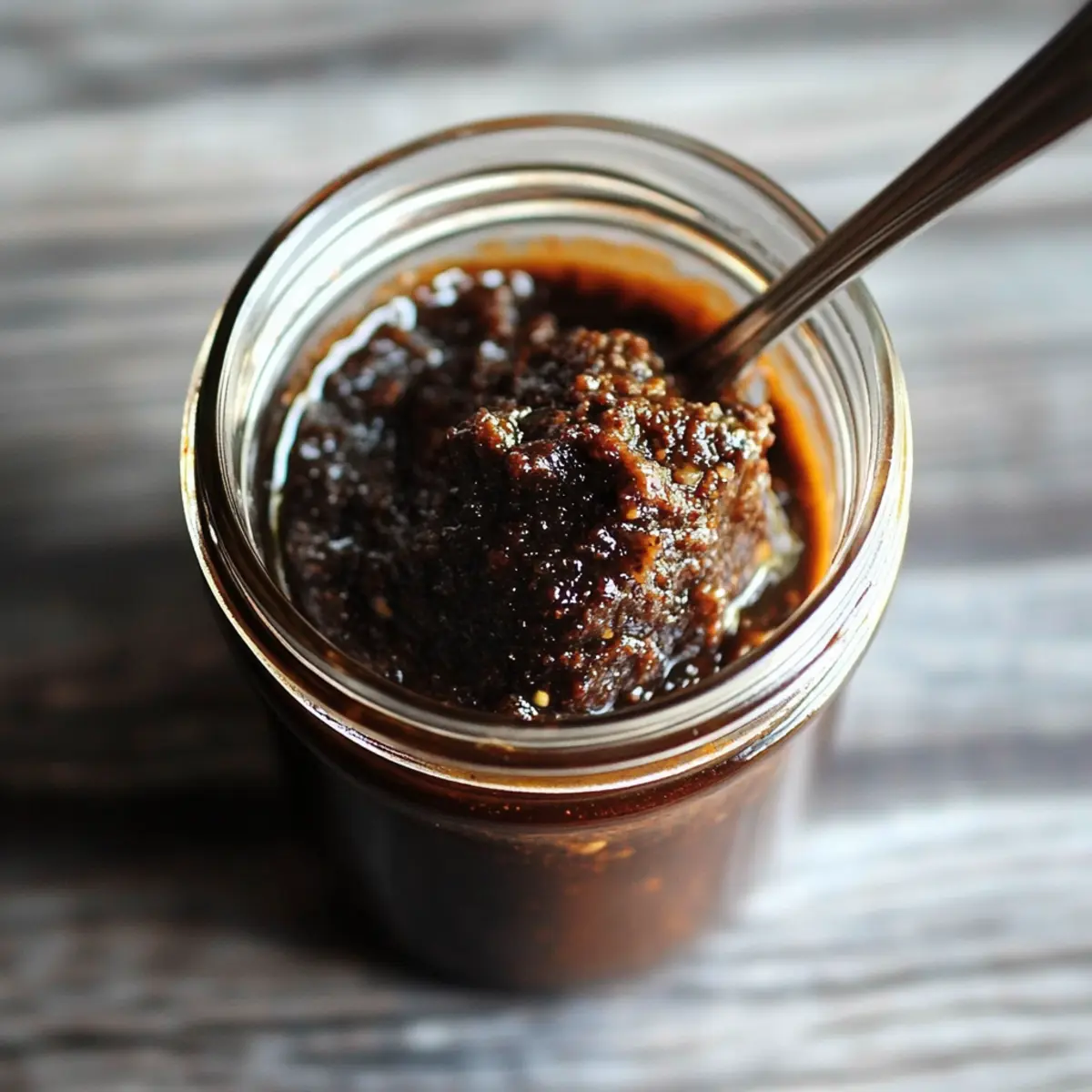
Why Make Homemade Worcestershire Sauce?
Flavor Depth: This homemade Worcestershire sauce boasts a rich, complex flavor that you just can’t find in store-bought versions.
Personal Touch: With every ingredient customizable, you can tailor the sauce to your taste preferences, ensuring a unique blend perfect for your culinary adventures.
Healthy Alternative: Ditch the preservatives and excessive sodium found in many commercial sauces—this homemade version offers a wholesome option full of natural ingredients.
Culinary Versatility: Use it to liven up marinades, dressings, or even soups, proving it’s a must-have staple in any well-stocked pantry.
Easy to Make: With just a simple blend and a little patience, you’ll be savoring your own handcrafted creation that’s worth the wait. For a twist, check out ideas like Beets Orange Sauce to pair with this classic.
Homemade Worcestershire Sauce Ingredients
For the Base
• Raisins – Adds sweetness and a hint of fruitiness; can be substituted with dates for a richer flavor.
• Boiling Water – Used to soften raisins for blending; no substitutes.
• Un-sulfured Molasses – Provides a deep, rich sweetness; blackstrap molasses can be used for a stronger taste.
• Tamarind Paste – Gives an authentic tangy taste; if unavailable, lime juice and brown sugar can work as a substitute.
• Anchovies (2-ounce can) – Contributes umami depth; for a vegan version, use soy sauce or miso paste.
• Onion (coarsely chopped) – Adds aromatic depth; shallots can be a milder alternative.
For the Flavor Enhancement
• Fresh Ginger (1-inch piece, peeled and chopped) – Provides warmth and spice; ground ginger can be used but with less potency.
• Garlic Cloves (6-8, crushed) – Enhances savoriness; consider using asafoetida powder as an alternative if allergic.
• White Vinegar (2 cups, divided) – Balances sweetness with acidity; apple cider vinegar offers a different flavor profile.
• Cardamom Pods (2) – Adds a hint of floral spice; can be omitted if not available.
• Kosher or Canning Salt (2 Tbsp) – Essential for flavor and preservation; use less table salt due to its finer grain.
For Sweetness and Spice
• Brown Sugar or Maple Syrup (2 Tbsp) – Sweetens the sauce; adjust according to personal preference.
• Crushed Red Pepper Flakes (1 Tbsp) – Adds a touch of heat; adjust based on your desired spice level.
• Dry Mustard (1 Tbsp) – Offers a sharpness to the flavor; can substitute with prepared mustard if necessary.
For Extra Depth
• Whole Cloves (1 tsp) – Increases aroma and warmth; can remain or adjust based on taste.
• Black Peppercorns (1 tsp) – Adds spiciness; feel free to modify according to your palate.
• Ground Cinnamon (1/2 tsp) – Provides warmth; this can be decreased or increased as preferred.
Enjoy crafting your homemade Worcestershire sauce with these simple ingredients, making it uniquely yours!
Step‑by‑Step Instructions for Homemade Worcestershire Sauce
Step 1: Soak the Raisins
Begin by placing the raisins in a heatproof bowl and pouring boiling water over them. Let them soak for about 15 minutes until they’re plump and soft. This softening will make blending easier. Once done, drain the raisins, ensuring excess water is removed, to achieve a perfect texture in your homemade Worcestershire sauce.
Step 2: Blend the Base Ingredients
In a food processor, combine the softened raisins, un-sulfured molasses, tamarind paste, anchovies, coarsely chopped onion, fresh ginger, crushed garlic, and half of the white vinegar. Blend the mixture on high speed until it’s smooth and creamy, which should take about 2–3 minutes. This will form the flavorful base of your homemade Worcestershire sauce.
Step 3: Transfer to Saucepan
Pour the blended mixture into a medium-sized saucepan, making sure to scrape down the sides of the food processor to incorporate all ingredients. Next, add the remaining vinegars, cardamom pods, kosher salt, brown sugar, crushed red pepper flakes, dry mustard, whole cloves, black peppercorns, and ground cinnamon. Stir gently to combine.
Step 4: Cook the Mixture
Place the saucepan over medium heat and bring the mixture to a gentle boil, stirring occasionally to prevent sticking. Once it reaches a boil, reduce the heat and let it simmer for about 10–15 minutes. You want the sauce to thicken slightly while the flavors meld together beautifully, creating a rich consistency for your homemade Worcestershire sauce.
Step 5: Cool and Store
After simmering, remove the saucepan from the heat and let the sauce cool completely to room temperature, which should take about 20 minutes. Once cooled, pour the sauce into a sterilized quart canning jar, using a funnel for ease. Seal the jar with a plastic lid and store it in a cool, dark place for at least one month, allowing the flavors to deepen.
Step 6: Strain Before Use
Once the flavor development period is complete, it’s time to strain your homemade Worcestershire sauce. Place a fine mesh sieve over a clean bowl and pour the sauce through, gently pressing on the solids to extract extra liquid. This step ensures a smooth sauce without any bits, making your final condiment perfect for marinades, dressings, or as a flavor enhancer in your favorite dishes.
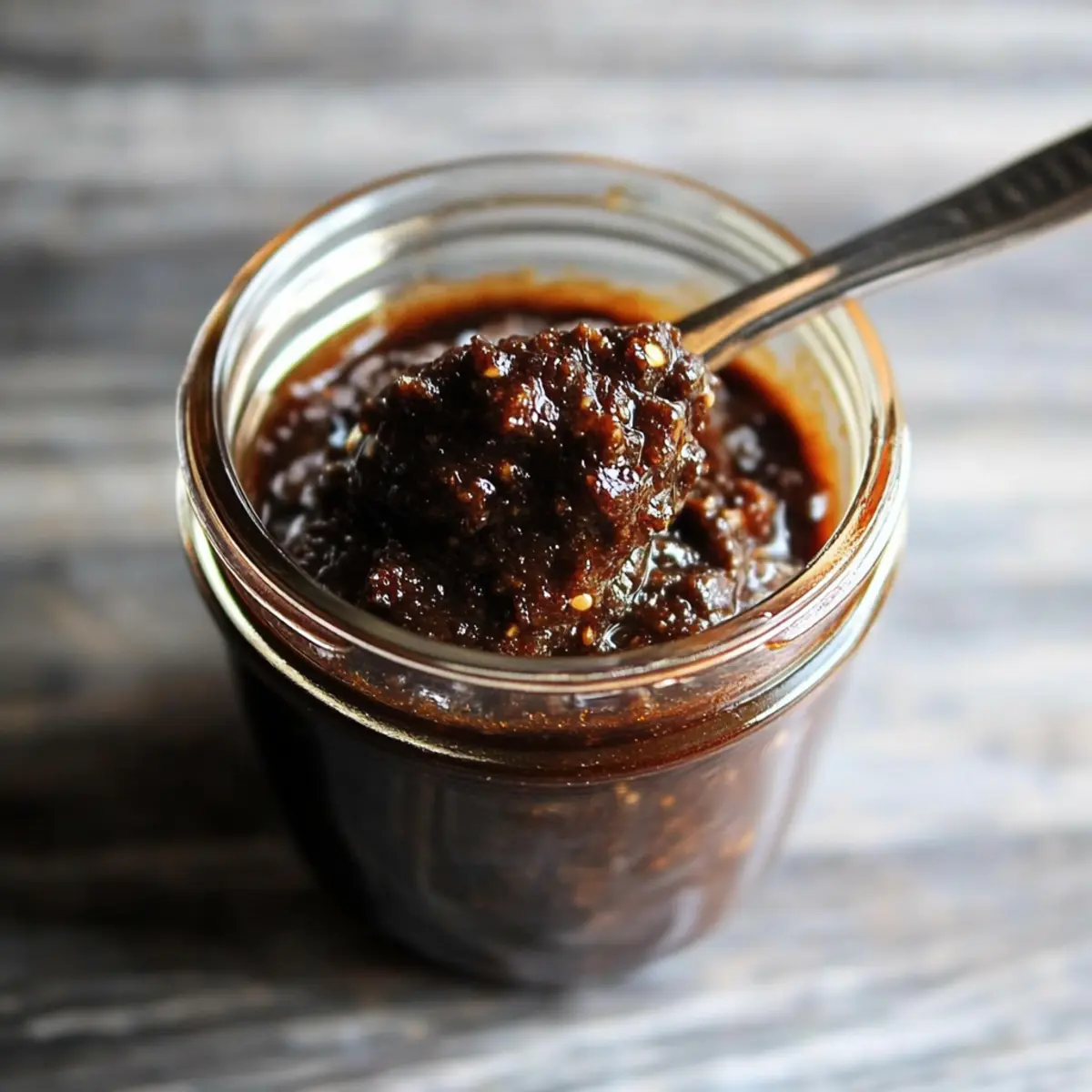
How to Store and Freeze Homemade Worcestershire Sauce
Fridge: After opening your homemade Worcestershire sauce, store it in the refrigerator where it can last up to 6 months. Keeping it airtight ensures optimal freshness and flavor.
Cool, Dark Place: Before opening, your homemade Worcestershire sauce can be stored in a cool, dark place for up to one month to allow the flavors to develop, sealed tightly in a sterilized container.
Freezer: For longer storage, consider freezing the sauce in ice cube trays. This allows you to defrost small portions as needed, and it can last for up to a year in the freezer.
Reheating: If desired, simply thaw it in the refrigerator overnight or use it directly from frozen in soups and marinades, enhancing the depth of flavor in your dishes!
Tips for the Best Homemade Worcestershire Sauce
-
Blend Well: Ensure all ingredients are fully blended to achieve a smooth texture. A high-speed blender can help enhance the sauce’s consistency.
-
Patience Pays Off: Allowing the sauce to age for a month significantly improves its flavor. Resist the urge to rush the waiting process!
-
Store Properly: After opening, store your homemade Worcestershire sauce in the refrigerator for optimal freshness and flavor retention.
-
Ingredient Adjustments: Double-check your pantry before starting! Be flexible with substitutes to make this homemade Worcestershire sauce tailored to your preferences.
-
Taste as You Go: Don’t be afraid to adjust flavors while cooking. A little extra sugar or vinegar can brighten or deepen the flavors as needed!
Homemade Worcestershire Sauce Variations
Feel free to explore these delightful variations to craft a Worcestershire sauce that perfectly suits your taste buds!
-
Vegan Version: Omit anchovies entirely, increasing the soy sauce and tamarind paste for a rich umami flavor that everyone can enjoy. This version remains robust while catering to plant-based diets.
-
Smoky Twist: Replace standard paprika with smoked paprika for a depth of flavor that adds a delightful smoky aroma. This subtle change can transform the sauce into a barbecue favorite!
-
Herb Infusion: Experiment with fresh or dried herbs such as oregano or thyme. These can brighten up the sauce and provide a homemade touch, giving it a savory dimension perfect for roasted vegetables or marinades.
-
Fruit Fusion: Add a splash of fruit juice—like apple or pomegranate—while blending for a sweet hint that complements the savory elements. This playful twist will surprise your guests!
-
Spicy Kick: Increase the crushed red pepper flakes, or use fresh minced jalapeños to amp up the heat levels. Perfect for those who love to spice things up in their cooking.
-
Sweetness Adjustment: Swap brown sugar for maple syrup to bring a unique sweet note that balances the tanginess beautifully. This will also add a lovely depth, enhancing your sauces and dressings.
-
Citrus Brightness: Mix in a tablespoon of lemon or orange juice for a refreshing zing that brightens up the sauce, making it perfect for summertime marinades. It’s a simple way to shake up your routine!
-
Cinnamon Enhancement: For a seasonal twist, consider increasing the ground cinnamon or even adding a pinch of nutmeg. This warm spice can enrich the sauce, making it an ideal accompaniment to hearty autumn dishes.
Each of these variations invites you to play and personalize your own perfect homemade Worcestershire sauce! For even more inspiring ideas, check out Beets Orange Sauce for a vibrant pairing or elevate your dishes further by exploring different flavor enhancers.
Make Ahead Options
These homemade Worcestershire sauce preparations are perfect for busy home cooks! You can soak the raisins and blend the base ingredients up to 24 hours in advance, storing them in an airtight container in the refrigerator to ensure freshness. Additionally, the final sauce can be made and stored in a cool, dark place for a month, allowing it to develop deeper flavors before using. When you’re ready to enjoy, simply strain the sauce and pour it into a sterilized jar for easy access in your pantry. This makes meal planning effortless, providing you with a delightful condiment that’s just as delicious as fresh!
What to Serve with Homemade Worcestershire Sauce
Elevate your meals with delightful sides and pairings that complement the robust flavors of this versatile condiment.
-
Grilled Vegetables: Fresh seasonal veggies brushed with Worcestershire sauce bring out their natural sweetness while adding a smoky, savory flavor.
-
Beef Tenderloin: This tender cut of meat enhanced with the sauce creates an elegant dish, enriching every bite with umami depth.
-
Classic Caesar Salad: Tossing Worcestershire into the dressing adds a savory kick, perfectly balancing the crisp greens and creamy texture.
-
Roasted Potatoes: The savory notes from the sauce coat crispy potatoes beautifully, enhancing their earthy flavors and making them irresistible.
-
Savory Meatloaf: Mix Worcestershire into the meat mixture for a moist loaf with incredible flavor, creating a comforting classic that everyone will love.
-
Marinated Tofu Skewers: Perfect for a vegan option, marinating tofu in Worcestershire adds depth and character, making it a satisfying plant-based choice.
-
Barbecue Chicken Wings: A dash of this sauce in the marinade gives wings a piquant kick, ideal for any gathering.
-
Spicy Tomato Soup: Just a splash elevates the soup’s rich tomato base, adding layers of flavor that warm the soul during chilly nights.
-
Craft Beers or Wine: Pair with a light lager or a fruity red wine—both enhance the sauce’s complex flavors, making for an enjoyable dining experience.
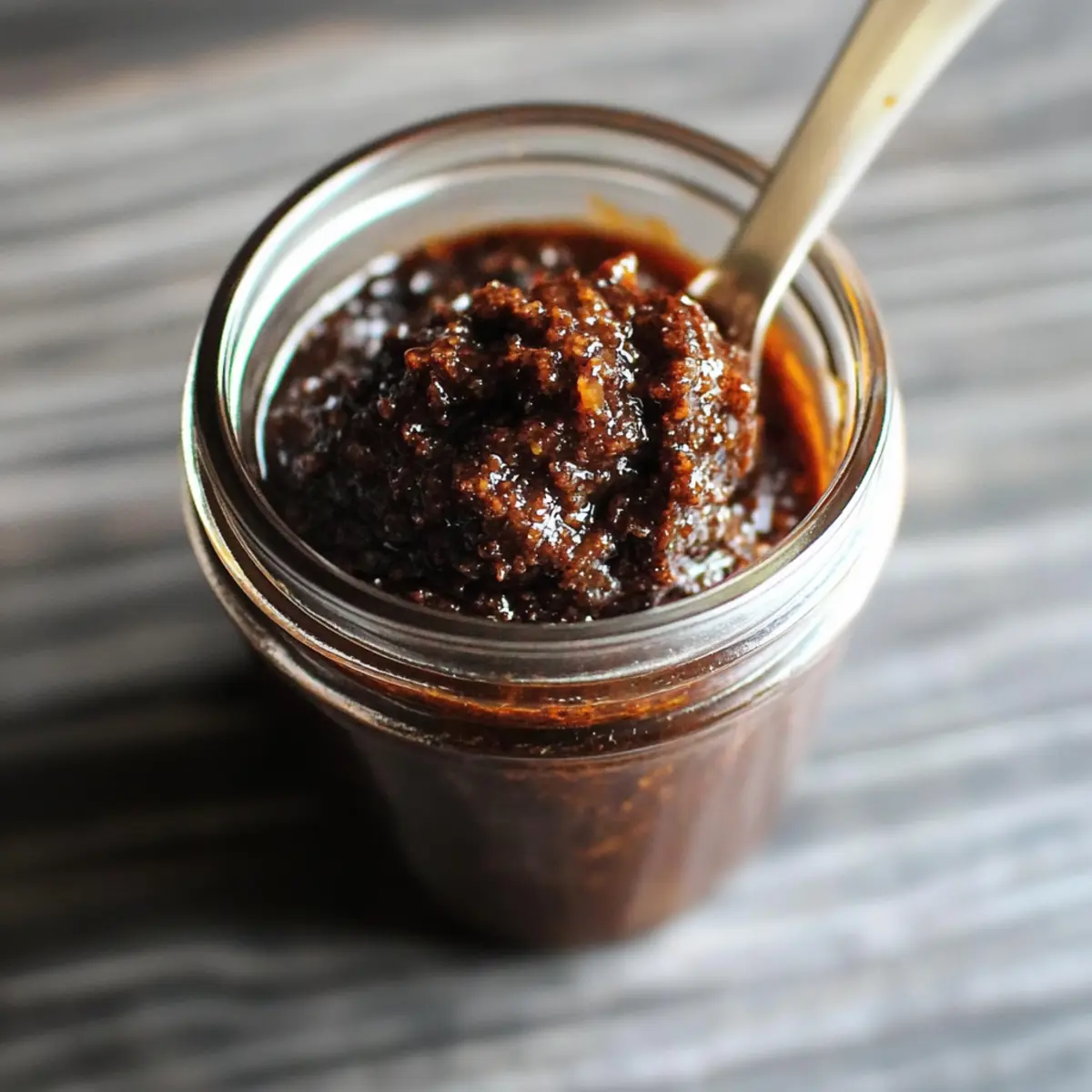
Homemade Worcestershire Sauce Recipe FAQs
How do I select ripe and fresh ingredients for homemade Worcestershire sauce?
Absolutely! For the best homemade Worcestershire sauce, look for raisins that are plump and free from dark spots. Choose fresh garlic with firm cloves and firm ginger; avoid any that are shriveled. If using tamarind paste, ensure it’s fresh and maintains a tangy aroma.
How long can I store homemade Worcestershire sauce in the fridge?
Your homemade Worcestershire sauce can last up to 6 months in the refrigerator after opening. Make sure to keep it in an airtight container to maintain its freshness and flavor. Before opening, it can be stored in a cool, dark place for about one month, allowing the flavors to develop.
Can I freeze homemade Worcestershire sauce?
Very much! To freeze your sauce, pour it into ice cube trays and freeze individual portions. Once frozen, transfer the cubes to a resealable freezer bag. This way, you can easily use small portions as needed, and it can last for up to a year in the freezer!
What should I do if my sauce is too thick or too thin?
If your sauce is too thick, simply add a bit of water or extra vinegar to thin it out until you reach your desired consistency. For a sauce that’s too thin, let it simmer on the stove a bit longer to reduce and thicken. It’s all about finding that perfect balance—so keep tasting and adjusting as necessary!
Is homemade Worcestershire sauce safe for people with allergies?
When making homemade Worcestershire sauce, be mindful of allergens. If you need to cater it for someone with fish allergies, simply omit the anchovies and replace them with soy sauce or miso for a vegan alternative. Always check your ingredients before you start cooking to ensure every guest can enjoy this flavorful condiment.
How should I store leftover Worcestershire sauce?
For optimal freshness, store any leftover homemade Worcestershire sauce in the refrigerator in an airtight container. It will keep well for up to 6 months. If you notice any changes in smell or flavor, it’s always best to err on the side of caution and discard it. Enjoy your homemade creation worry-free!
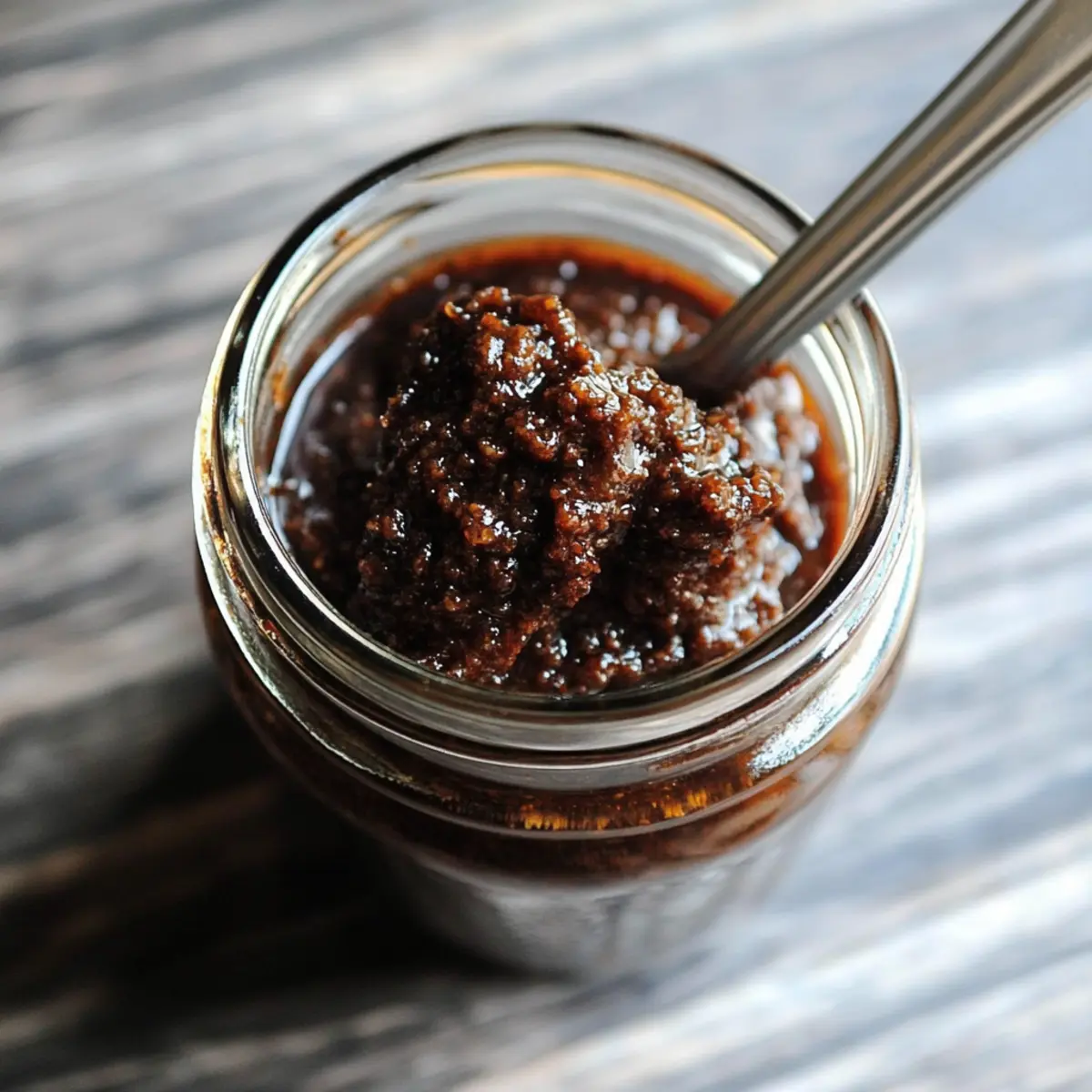
Rich and Zesty Homemade Worcestershire Sauce You’ll Love
Ingredients
Equipment
Method
- Soak the raisins in boiling water for about 15 minutes until plump.
- Blend the softened raisins, molasses, tamarind paste, anchovies, onion, ginger, garlic, and half of the vinegar until smooth.
- Transfer to saucepan, add remaining vinegar, cardamom, salt, brown sugar, red pepper flakes, mustard, cloves, peppercorns, and cinnamon. Stir to combine.
- Cook the mixture over medium heat until it reaches a gentle boil, then simmer for 10-15 minutes.
- Cool the sauce completely, then pour into a sterilized quart canning jar and seal.
- Strain the sauce through a fine mesh sieve to ensure a smooth texture.
Leave a Reply