
A tantalizing aroma wafted through my kitchen as I rolled out the dough, and I felt instantly transported to a bustling ramen shop in Tokyo. Making homemade ramen noodles has undergone a delightful revival in my home, drawing me into a world of fresh ingredients and culinary creativity. These homemade ramen noodles are not only incredibly simple to whip up, but they also offer endless customization—perfect for satisfying every taste bud. You can effortlessly transform a warm bowl of ramen into a hearty stir-fry or a refreshing cold noodle salad, making this dish a true crowd-pleaser. Plus, knowing that I’m crafting something healthier and more flavorful than store-bought options fills me with pride. Are you ready to embark on a noodle-making adventure that will impress your friends and family?
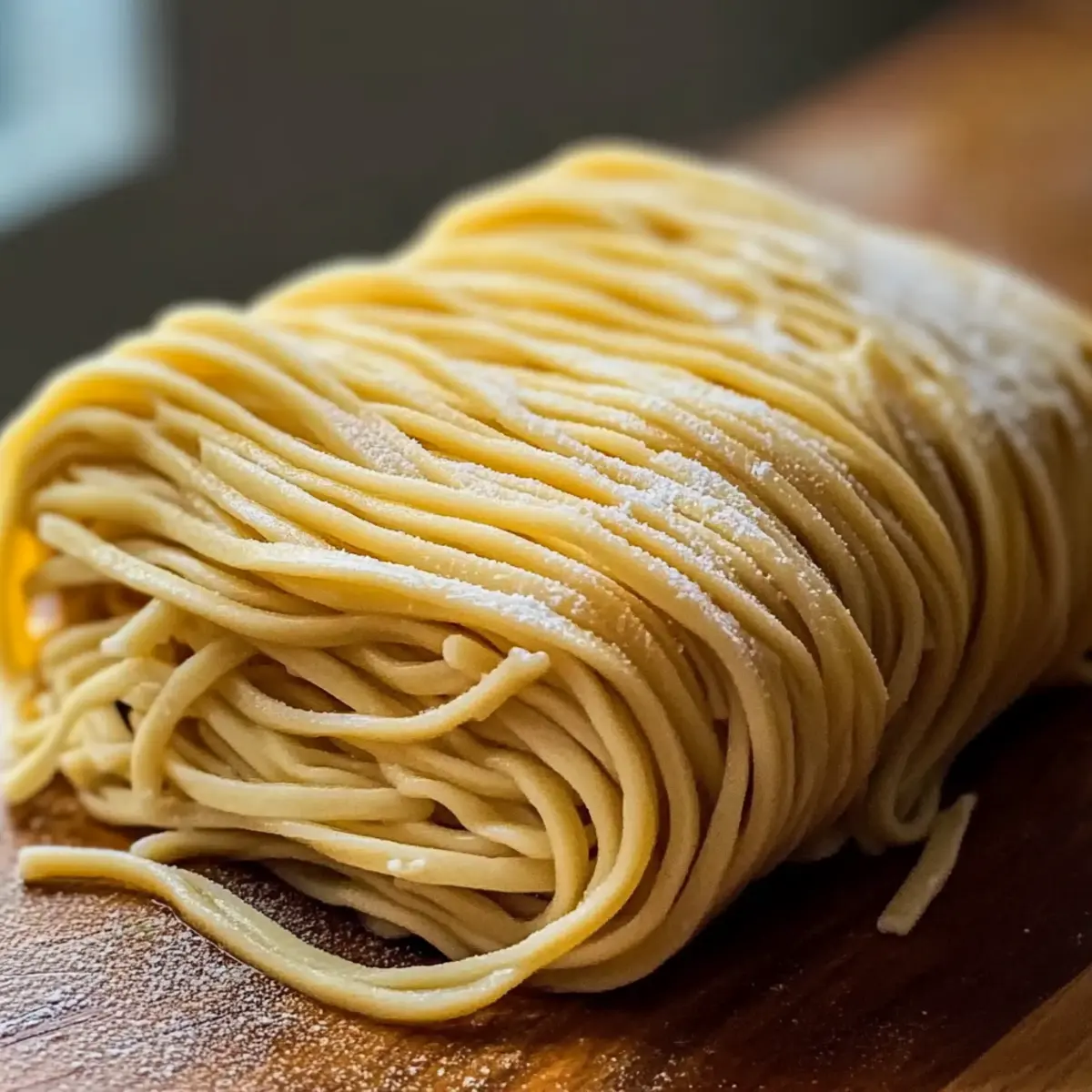
Why Make Homemade Ramen Noodles?
Simplicity at its finest: There’s no need for complicated techniques; just a few ingredients and some love will yield delicious results.
Endless customization: Tailor your noodles with various toppings, broths, and vegetables, ensuring everyone gets their perfect bowl.
Healthier options: Skip the preservatives in packaged noodles and enjoy a fresher, better-for-you alternative.
Versatile uses: Transform your noodles into classic ramen, vibrant stir-fries, or light salads—all in one recipe!
Crowd-pleaser: Impress family and friends alike as they watch you craft these delightful noodles from scratch. Remember to explore our serving suggestions for more inspiration!
Homemade Ramen Noodle Ingredients
For the Dough
- All-Purpose Flour – This provides the essential structure for your homemade ramen noodles; for a twist, try whole wheat flour for a heartier texture.
- Baking Soda – A key component that mimics kansui, giving ramen its characteristic flavor and vibrant yellow hue.
- Water – Vital for hydrating the dough, it ensures the noodles’ great elasticity and texture for that delightful chew.
For Dusting
- Cornstarch – Use this to dust your uncooked noodles to prevent sticking; it helps keep them separated and ready for cooking.
Making these homemade ramen noodles opens a world of culinary possibilities right in your kitchen!
Step‑by‑Step Instructions for Homemade Ramen Noodles
Step 1: Prepare Dough
In a large mixing bowl, combine all-purpose flour and baking soda, creating a dry mix. Gradually add water while stirring with a fork until the mixture starts to form a shaggy dough. Once a cohesive mass forms, it’s time to transition to the next step.
Step 2: Knead
Transfer the dough onto a floured surface and knead for about 10 minutes. Use the heel of your hand to push the dough away from you, then fold it back over itself. The goal is a smooth and elastic texture; the dough should bounce back when poked, signaling it’s ready for its break.
Step 3: Rest
Wrap the kneaded dough in a damp cloth or plastic wrap, allowing it to rest for at least 30 minutes. This crucial step relaxes the gluten, making it easier to roll out later. During this time, you can prepare your favorite broth or toppings for your homemade ramen noodles.
Step 4: Roll the Dough
After resting, divide the dough into smaller portions for easier handling. Using a pasta machine or a rolling pin, roll each piece as thin as possible, aiming for about 1/16 inch thick. As you roll, dust the dough lightly with flour to prevent sticking, and keep an eye out for its beautiful, translucent appearance.
Step 5: Cut Noodles
With a sharp knife or a pizza cutter, slice the rolled-out dough into your desired noodle shape, whether wide, thin, or somewhere in between. As you cut, dust the noodles with cornstarch to prevent them from clumping together. This step prepares your homemade ramen noodles for cooking and ensures they stay separated.
Step 6: Cook the Noodles
Bring a large pot of salted water to a rolling boil over high heat. Carefully add the cut noodles and cook for 2-4 minutes, stirring occasionally to avoid sticking. Taste a noodle around the 2-minute mark—look for a tender, chewy texture that signals your homemade ramen noodles are ready. Drain the noodles and rinse them under cold water to stop the cooking process.
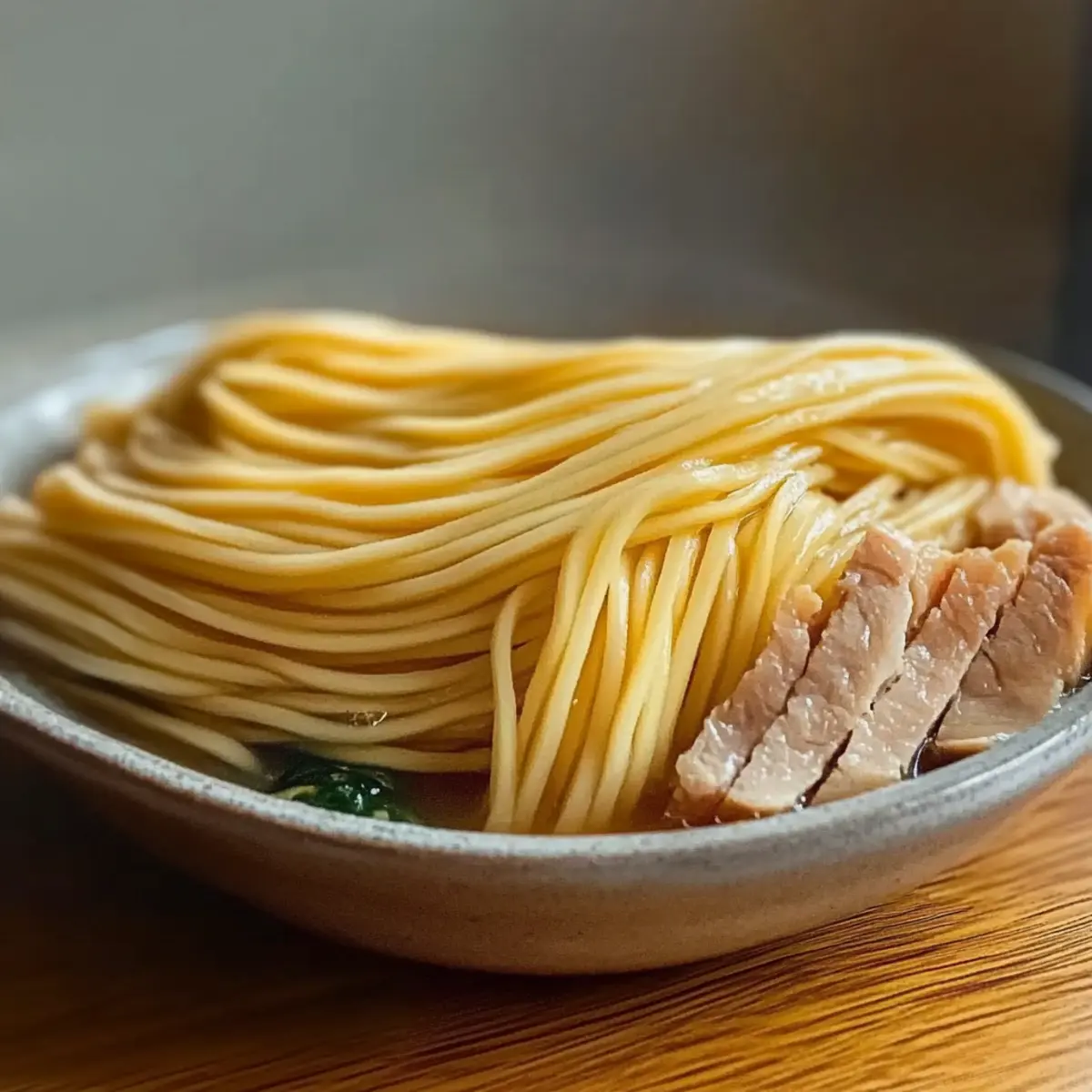
How to Store and Freeze Homemade Ramen Noodles
-
Room Temperature: Homemade ramen noodles are best enjoyed fresh, but if you need to store them, they can sit at room temperature for about 30 minutes, covered with a clean cloth to prevent drying.
-
Fridge: Uncooked noodles dusted with cornstarch can be kept in an airtight container in the fridge for up to 2 days. Be sure to separate the noodles with additional cornstarch to prevent them from sticking together.
-
Freezer: For longer storage, freeze your uncooked noodles. Arrange them in a single layer on a baking sheet for about an hour, then transfer to a freezer bag or airtight container. They can be stored for up to 3 months.
-
Reheating: When ready to enjoy, cook the frozen noodles directly from the freezer in boiling salted water for 3-5 minutes until tender. This will bring back their delightful chewiness.
What to Serve with Homemade Ramen Noodles
A cozy bowl of noodles is just the beginning of your culinary creation; let’s find the perfect companions to elevate your meal.
-
Savory Broth: A rich chicken or pork broth creates a comforting base, enhancing the flavor of your homemade ramen noodles.
-
Sautéed Vegetables: Add crunchy bell peppers, vibrant carrots, and tender bok choy for a burst of color and nutrition. Their textures balance the chewy noodles perfectly.
-
Marinated Tofu: Slice marinated tofu and gently pan-fry for a protein-packed topping. The crispy exterior pairs beautifully with the smooth, soothing noodles.
-
Soft-Boiled Eggs: A silky, soft-boiled egg lends a creamy richness to your ramen bowl. The yolk’s golden color adds visual appeal and depth of flavor.
-
Spicy Chili Oil: Drizzle a few drops of chili oil for an exciting heat that complements the savory broth and fresh ingredients. Just enough to tickle the taste buds!
-
Fresh Herbs: Sprinkle chopped scallions or cilantro over your dish for a fresh, herbal touch. These bright notes enhance the overall flavor while introducing a welcoming aroma.
-
Sesame Seeds: Toasted sesame seeds provide a delightful crunch and a nutty finish. They add that special touch that elevates the homemade ramen experience.
-
Japanese Beer or Sake: Enjoy a cold, crisp Japanese lager or a warm cup of sake alongside your meal. The beverages enhance the flavors beautifully while offering a festive atmosphere.
-
Fruit Sorbet: For dessert, a light fruit sorbet brings a refreshing culmination to your meal, cleansing the palate after the rich flavors of your ramen dish.
Homemade Ramen Noodles: Customization Galore
Invite your inner chef to dance in the kitchen as you explore delightful twists for your homemade ramen noodles!
-
Broth Variations: Use rich chicken, savory pork, or hearty vegetable broth to give your noodles exciting flavors. Each base elevates the dish, transforming a simple bowl into a hearty feast.
-
Protein Additions: Add delicious toppings like grilled chicken, succulent pork, or crisp tofu for an extra protein boost. Each option not only enhances taste but also adds a satisfying element to every bite.
-
Vegetable Options: Experiment with vibrant veggies like fresh spinach, earthy mushrooms, sweet corn, or crunchy bean sprouts. This colorful medley not only makes your dish visually appealing but also provides a healthy crunch!
-
Spicy Kick: If you love heat, sprinkle in red pepper flakes or drizzle some chili oil to your broth. Spice levels can easily be adjusted according to your guests’ preferences, adding excitement to every bowl!
-
Gluten-Free Option: Swap all-purpose flour for a gluten-free alternative, such as rice flour or a gluten-free all-purpose mix. While you might need to experiment a bit, the results can still be delicious.
-
Cold Noodle Delight: Toss cooked noodles with sesame dressing, crisp vegetables, and protein of choice for a refreshing cold noodle salad. Perfect for hot days or as a lighter meal option!
-
Savory Stir-Fry: Bring a fresh twist by stir-frying your cooked noodles with vegetables and your favorite Asian sauce. This crispy experience transforms your ramen into a whole new dish with a lovely variety of textures.
-
Herb Infusion: Add fresh herbs like cilantro or basil as a garnish for an aromatic flair. This simple addition elevates the flavor profile, leaving your guests wanting more.
By exploring these options, you can truly personalize your homemade ramen noodles. Remember to check out our serving suggestions for more inspiration!
Make Ahead Options
These homemade ramen noodles are a fantastic choice for meal prep enthusiasts looking to save time on busy weeknights! You can prepare the dough up to 24 hours in advance; simply mix the flour and baking soda, add water to form the dough, knead, and then wrap it tightly in plastic wrap before refrigerating. Additionally, you can cut and dust the noodles with cornstarch, storing them in an airtight container in the fridge for up to 2 days. When you’re ready to serve, just boil the noodles for 2-4 minutes until tender; they’ll be just as delicious as freshly made! Enjoy the convenience of homemade ramen noodles without the last-minute rush!
Expert Tips for Homemade Ramen Noodles
-
Flour Matters: Experiment with different flours, like bread flour, to achieve desired textures for your homemade ramen noodles. Each type will give a unique bite!
-
Kneading Technique: Remember to knead thoroughly for 10 minutes. Proper kneading develops the right gluten structure, ensuring your noodles have the perfect chewiness.
-
Don’t Rush the Rest: Never skip the resting time! This crucial step allows the gluten to relax, making it easier to roll out the dough thinly.
-
Taste Testing: As noodles boil, taste a strand around the 2-minute mark to find your ideal doneness. This helps avoid overcooking and ensures they are just right.
-
Dust Well: Generously dust your uncooked noodles with cornstarch to prevent sticking. This will keep your homemade ramen noodles separate and easy to cook.
Homemade Ramen Noodles Recipe FAQs
What type of flour is best for homemade ramen noodles?
I recommend using all-purpose flour as it provides the structure needed for chewy noodles. However, if you’re looking for a different texture, experimenting with bread flour or even whole wheat flour can yield delicious results!
How long can I store uncooked homemade ramen noodles?
Uncooked noodles can be stored in an airtight container in the fridge for up to 2 days. Just dust them generously with cornstarch to prevent sticking. For longer storage, freezing them is a great option!
What is the best way to freeze homemade ramen noodles?
To freeze, arrange the uncooked noodles in a single layer on a baking sheet and place them in the freezer for about an hour. Once firm, transfer them to a freezer bag or airtight container. They can be kept for up to 3 months. When ready to use, boil them directly from frozen for 3-5 minutes until tender.
How can I tell if my homemade ramen noodles are cooked properly?
Taste testing is key! Boil your noodles for 2-4 minutes; start tasting around the 2-minute mark. You want them to be tender yet have a nice chew to them. They should bounce back when poked, indicating they’re not overcooked.
Can I use these noodles for pets?
While homemade ramen noodles are a delightful treat, they aren’t suitable for pets. Dogs can eat plain noodles in moderation, but it’s best to avoid garlic and seasoning. Always check with your vet if you’re unsure about introducing new foods to your pet’s diet.
What should I do if my dough is too dry?
If you find your dough isn’t forming well, it might be too dry. Add a tablespoon of water gradually and knead until it comes together. It’s essential to achieve that elastic, smooth texture, so don’t hesitate to make adjustments as needed!
Homemade Ramen Noodles: Your Guide to Fresh, Chewy Perfection
Ingredients
Equipment
Method
- In a large mixing bowl, combine all-purpose flour and baking soda.
- Gradually add water while stirring with a fork until the mixture forms a shaggy dough.
- Transfer the dough onto a floured surface and knead for about 10 minutes.
- Wrap the kneaded dough in a damp cloth or plastic wrap and let it rest for at least 30 minutes.
- Divide the dough into smaller portions and roll each piece as thin as possible.
- Slice the rolled-out dough into your desired noodle shape, dust with cornstarch.
- Bring a large pot of salted water to a boil and cook the cut noodles for 2-4 minutes.
- Drain the noodles and rinse under cold water to stop the cooking process.
Leave a Reply